

The EU’s Corporate Sustainability Reporting Directive (CSRD) reached a crossroads in December 2025. While the directive was designed to drive transparency and accountability, the Omnibus I package, approved by the European Parliament on December 16, 2025, dramatically narrowed its scope. Under the revised rules, the CSRD now applies only to EU-based companies with over 1,000 employees and €450 million in revenue, removing ~90% of companies from its original ambit. For food companies and the agri-food sector, this rollback risks slowing progress toward net-zero goals just as climate action demands urgency.
The European Sustainability Reporting Standards (ESRS) were also revised to reduce the reporting burden. EFRAG (European Financial Reporting Advisory Group) submitted its final technical advice in December 2025, proposing a 61% reduction in mandatory datapoints and the elimination of all voluntary disclosures, cutting total requirements by over 70%. The European Commission is expected to adopt the revised ESRS as a delegated act by June 2026, with full application from financial year 2027. While this simplification may ease compliance, it risks watering down the ambition of sustainability reporting.
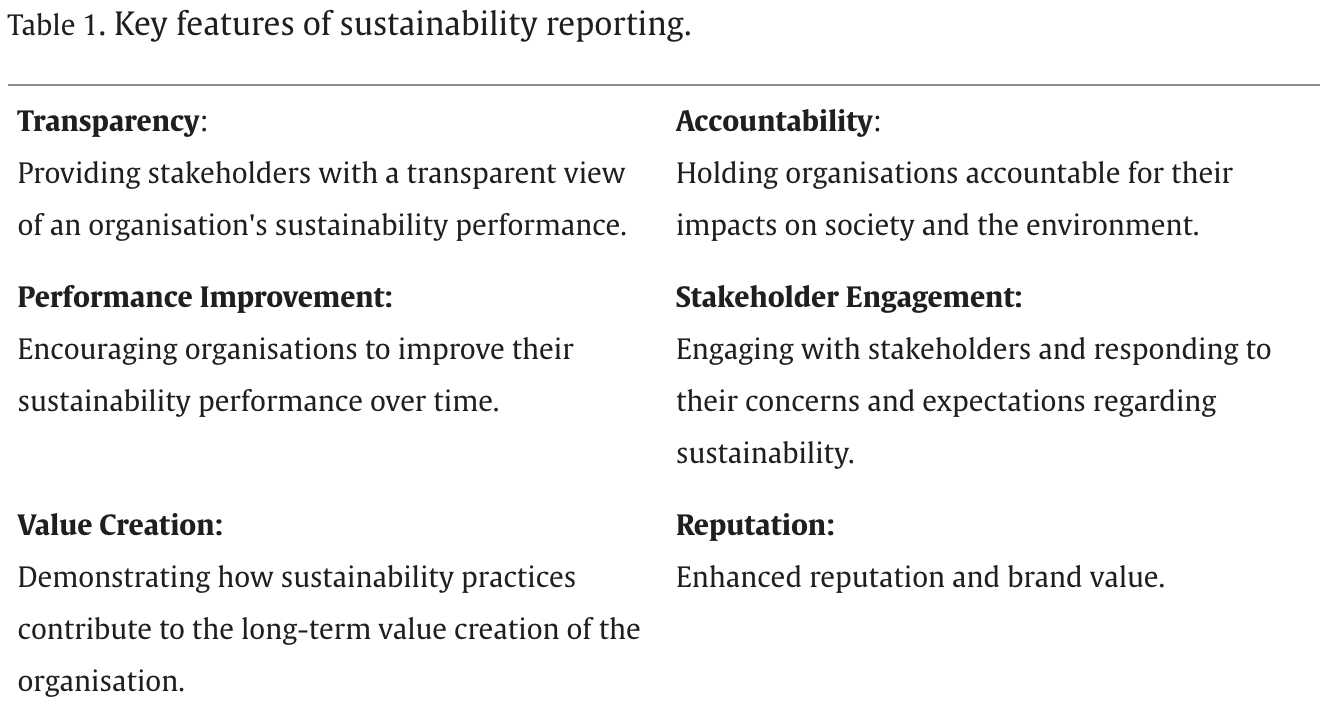
The Amended ESRS are viewed as a compromise solution: clearer and more focused for many users, yet potentially limiting the breadth of information available for advanced or specialized analyses. As EFRAG’s analysis warns, ‘the reduction in datapoints could affect the depth of analysis’.
EFRAG Cost-Benefit Analysis (Dec 2025, p. 22)
The Omnibus I package was intended to reduce administrative burdens, but for food companies, the narrowed scope and simplified ESRS could mean less pressure to address Scope 3 emissions, which are the bulk of most agri-food supply chains’ footprint. Yet, this is also a moment of opportunity: regenerative agriculture remains a powerful lever for reducing emissions, improving soil health, and building resilience. Companies that go beyond compliance can still drive meaningful change.
CinSOIL’s platform supports food companies in measuring, reporting, and verifying soil organic carbon and emissions reductions. Our MRV (Monitoring, Reporting, and Verification) tools help you turn compliance into a strategic advantage, proving your climate action and unlocking the benefits of regenerative agriculture. Get in touch to explore how CinSOIL can help you navigate the CSRD and lead with regenerative practices.