
As the year 2025 closes to an end, we feel like celebrating what was achieved in this year, express our gratitude to everyone who has shared even just a little step with us, and prepare for the next big things ahead. In this different blog post, we want to share a bit of love for soil through a short review of Nicole Masters’ book titled, in fact, “For the Love of Soil“.
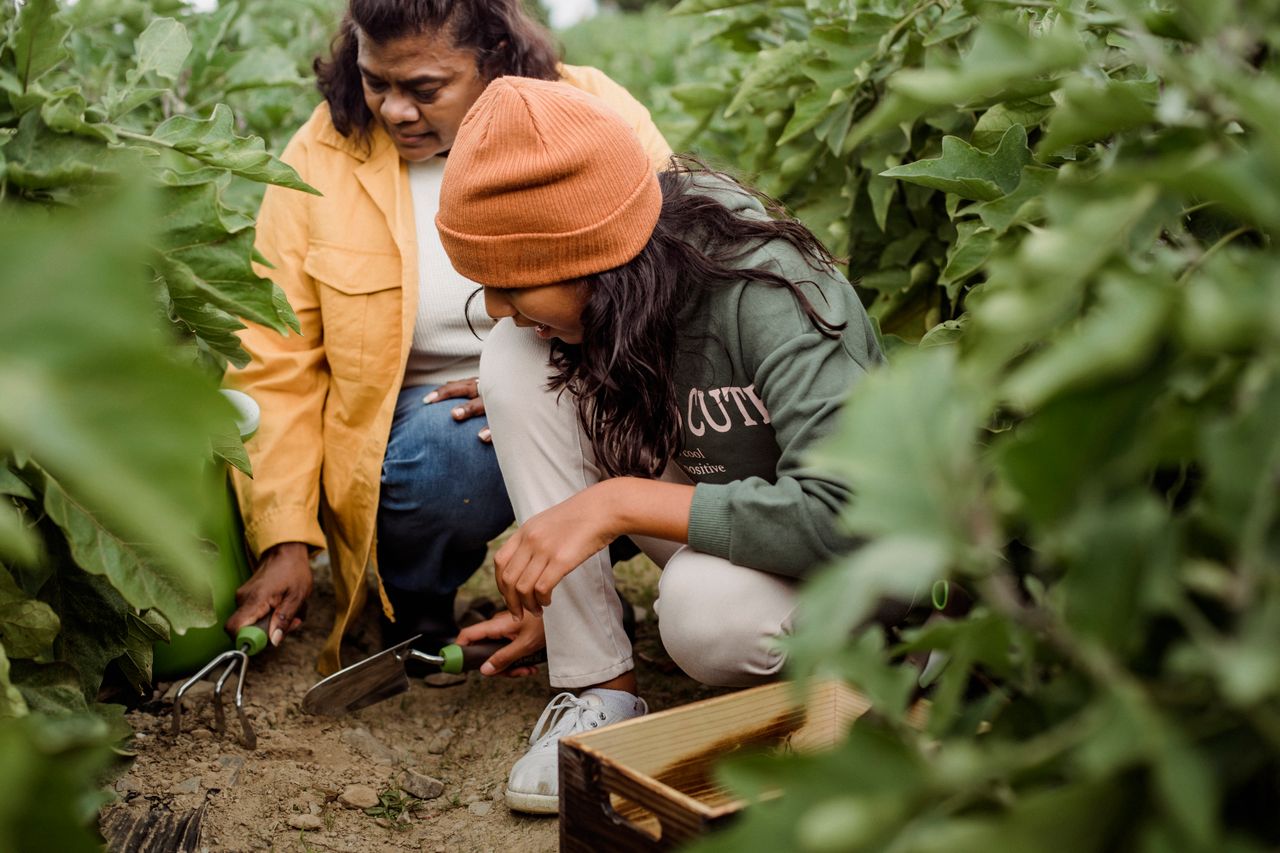
We already wrote about the fascinating complexity of soil and how little understood this fundamental medium that sustains terrestrial life is. One of the interesting, central messages of the book is that the best soil management is almost invisible. In a regenerative system, the role of the farmer or land steward is not to control every detail, but to “tickle” the system, nudging it back toward balance. This involves maintaining continuous ground cover, keeping living roots in the soil for as long as possible, integrating livestock or their manure where appropriate, and embracing diversity at every level. “By minimizing disturbance and maximizing photosynthesis, we encourage the soil to care for itself.”, Masters implores, always suggesting close monitoring of differences in arable land and how due to even the most minor differences, natural treatments for enhancing soil composition should differ.
In a refreshing twist, in For the Love of Soil, Masters reframes weeds from pests to messengers. Weeds, she highlights, are not an occurrence of coincidence, but a clear response to specific unhealthy soil conditions: dandelions may indicate compaction, dock suggests low calcium, and nettles often emerge in nitrogen-rich areas. Instead of suppressing weeds chemically, Masters suggests we ask what they’re telling us about the soil and address the underlying issues through more holistic management.
Ultimately, what makes this book so powerful is its perspective. For the Love of Soil asks us to step into a different relationship with land; one rooted in respect, reciprocity, and regeneration. Soil is not something to be exploited, but our living partner. Nicole Masters shows us that with humility, curiosity, and the right tools, we can rebuild soil systems that are abundant, self-sustaining, and resilient, if we give it a chance to regenerate.